
Shutterstock.com

Standards

So Long, Social Media?

Australia has banned social media for kids, and other countries plan to follow. Should the U.S. be one of them? 

As You Read, Think About: Why is Australia preventing kids from using social media?

Courtesy of family

Flossie Brodribb

Over the past few months, Flossie Brodribb has noticed a lot less drama among kids her age. And after school, her friends are chatting about sports and weekend plans rather than the latest TikToks. 

“We’re all connecting face-to-face,” says 13-year-old Flossie, who lives in Hobart, a city in Australia. “We’re actually talking to each other.” 

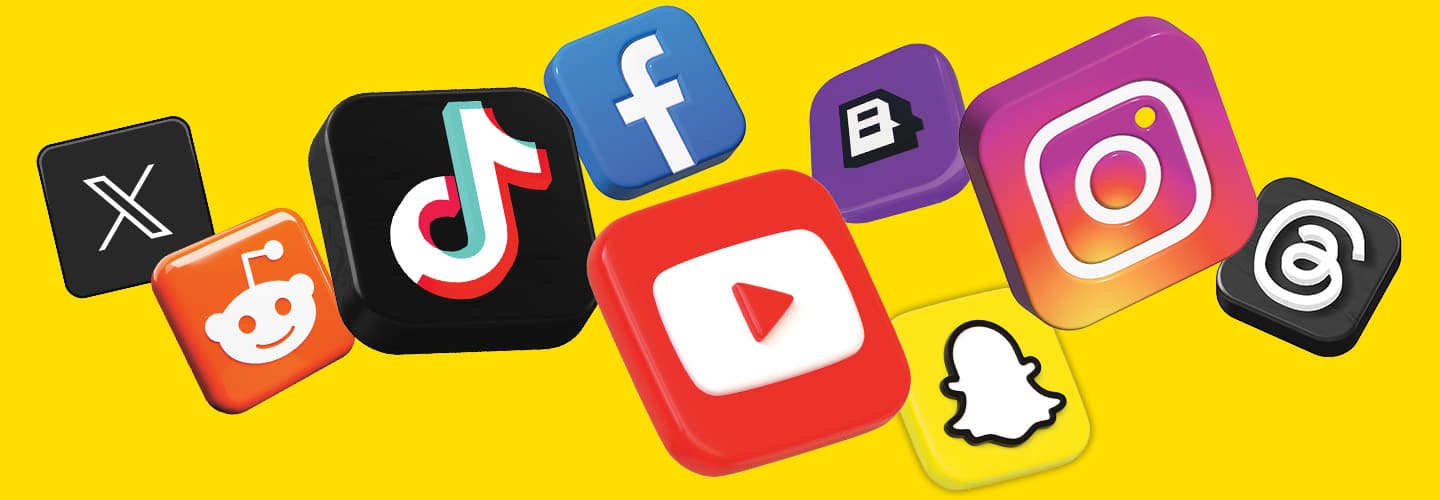
A new law went into effect in Australia this past December. It bans anyone younger than 16 from having accounts on 10 popular social media platforms, including Instagram, TikTok, and YouTube.

In mid-January, Australian officials announced that about 4.7 million accounts had been disabled. Most social media apps require that users be at least 13 years old, but that rule hasn’t always been enforced. Now tech companies could be fined up to $33 million for failing to keep kids in Australia off their apps. 

Australia’s ban is the first of its kind in the world. Other countries are following its lead. Indonesia, a country in Asia, now has a similar law, which also blocks kids from using Roblox. Lawmakers in several other countries, including France and Spain, are also considering social media bans. Should the U.S. do the same?

Over the past few months, Flossie Brodribb has noticed something. There’s a lot less drama among kids her age. And after school, her friends are chatting about sports and weekend plans, not the latest TikToks. 

“We’re all connecting face-to-face,” says 13-year-old Flossie. She lives in Hobart, a city in Australia. “We’re actually talking to each other.” 

A new law went into effect in Australia this past December. It bans anyone younger than 16 from having accounts on 10 popular social media apps. They include Instagram, TikTok, and YouTube.

In January, Australian officials said that about 4.7 million accounts had been disabled. Most social media apps require that users be at least 13 years old. But that rule hasn’t always been enforced. Now tech companies must keep kids in Australia off their apps. They could be fined up to $33 million for failing to do so. 

Australia’s ban is the first of its kind. Other countries are following its lead. Indonesia, a country in Asia, now has a similar law. It also blocks kids from using Roblox. Lawmakers in other countries, like France and Spain, are considering social media bans as well. Should the U.S. do the same?

Inventing the Internet
Watch a video to learn how the internet got its start.

Health Hazards

In Australia, the social media ban was put in place to keep young people safe and protect their mental health. In a 2025 survey, more than half of Australian kids ages 10 to 15 said they had been cyberbullied. And 7 out of 10 reported seeing harmful content online. 

Mental health experts worry about the connection between excessive social media use and anxiety and depression in kids. They also warn that spending too much time on these apps can affect kids’ sleep and make it harder to focus on schoolwork.

Australia’s leader, Prime Minister Anthony Albanese, wants kids to enjoy activities they can’t do while scrolling on their phones. 

“Start a new sport, learn a new instrument, or read that book that’s been sitting there on your shelf for some time,” he said in a video message in December. “And importantly, spend quality time with your family and your friends, face-to-face.”

In Australia, the social media ban was put in place to keep kids safe. It’s also meant to protect their mental health. In a 2025 survey, more than half of Australian kids ages 10 to 15 said they had been cyberbullied. And 7 out of 10 said they saw harmful content online. 

Mental health experts worry about the link between excessive social media use and anxiety and depression in kids. They also warn of other risks. Spending too much time online can affect kids’ sleep. It can make it harder to focus on schoolwork.

Prime Minister Anthony Albanese is Australia’s leader. He wants kids to enjoy things they can’t do while scrolling on their phones. 

“Start a new sport, learn a new instrument, or read that book that’s been sitting there on your shelf for some time,” he said in a video message in December. “And importantly, spend quality time with your family and your friends, face-to-face.”

Analyze the Cartoon

What do the kangaroos represent? Why might the cartoonist have chosen to show kangaroos?

What do the kangaroos represent? Why might the cartoonist have chosen to show kangaroos?

Clive Goddard/CartoonStock.com

Possible Problems

But many people point out that social media is a big part of kids’ daily lives. Some experts warn that without it, many kids could feel isolated. 

“Some young people might feel left out or disconnected if they are not able to use social media,” explains Kelly Gough. He’s a psychologist and the president of the Australian Psychological Society. 

Many parents and kids think the ban is unfair. They say a better solution would be for social media companies to make sure their platforms are safe for everyone. After all, critics of the ban argue, harmful content will still be there when kids turn 16.

Others point out that the ban doesn’t prevent kids from endlessly scrolling through certain social media apps.

“It does not fully protect us,” says Zara,* a 12-year-old from Sydney, Australia. “We can still access and watch TikTok or YouTube shorts without an account.” 

Also, Gough warns, kids can just switch to other social media platforms that aren’t included in the ban.

But many people point out that social media is a big part of kids’ lives. Some experts warn that kids could feel isolated without it. 

“Some young people might feel left out or disconnected if they are not able to use social media,” explains Kelly Gough. He’s a psychologist and the president of the Australian Psychological Society.

Many parents and kids think the ban is unfair. They say it would be better for social media companies to make sure their apps are safe for everyone. Critics of the ban argue that harmful content will still be there when kids turn 16.

Others say that the ban doesn’t stop kids from scrolling through certain social media apps.

“It does not fully protect us,” says Zara.* She’s a 12-year-old from Sydney, Australia. “We can still access and watch TikTok or YouTube shorts without an account.” 

Also, Gough warns, kids can just switch to other apps that aren’t included in the ban.

Looking Ahead

In a recent survey of kids and teens by the Australian Broadcasting Company, about 70 percent said they don’t support the ban. But Flossie is one of the many who are glad it went into effect. 

“Social media will still be there when we’re older,” says Flossie. “But childhood only happens once.” 


*Her last name has been withheld to protect her privacy.

About 70 percent of kids and teens said they don’t support the ban. That’s according to a recent survey by the Australian Broadcasting Company. But Flossie is one of the many kids who are glad it went into effect. 

“Social media will still be there when we’re older,” says Flossie. “But childhood only happens once.”


*Her last name has been withheld to protect her privacy.

Social Media in the U.S.

By the Numbers:

  • On average, preteens spend more than 70 minutes each day on social media.
  • 48% of teens say social media sites have mostly negative effects on people their age.
  • 74% of teens say social media makes them feel more connected to their friends.
  • What Do You Think? Should the U.S. ban social media for kids under 16?


Sources: University of California, San Francisco (70 minutes); Pew Research Center (48%, 74%)

By the Numbers:

  • On average, preteens spend more than 70 minutes each day on social media.
  • 48% of teens say social media sites have mostly negative effects on people their age.
  • 74% of teens say social media makes them feel more connected to their friends.
  • What Do You Think? Should the U.S. ban social media for kids under 16?


Sources: University of California, San Francisco (70 minutes); Pew Research Center (48%, 74%)

1. What does the new social media law in Australia say, according to the article?

2. What does the article mean when it states that “other countries are following [Australia’s] lead”?

3. Based on the article, why are some people opposed to Australia’s new social media law?

1. What does the new social media law in Australia say, according to the article?

2. What does the article mean when it states that “other countries are following [Australia’s] lead”?

3. Based on the article, why are some people opposed to Australia’s new social media law?

videos (2)
videos (2)
Skills Sheets (3)
Skills Sheets (3)
Skills Sheets (3)
Games (1)
TEACHER SUPPORT (1)
Leveled Articles (1)
Text-to-Speech